Stop the Stigma

Eliminating stigmatizing language in TB

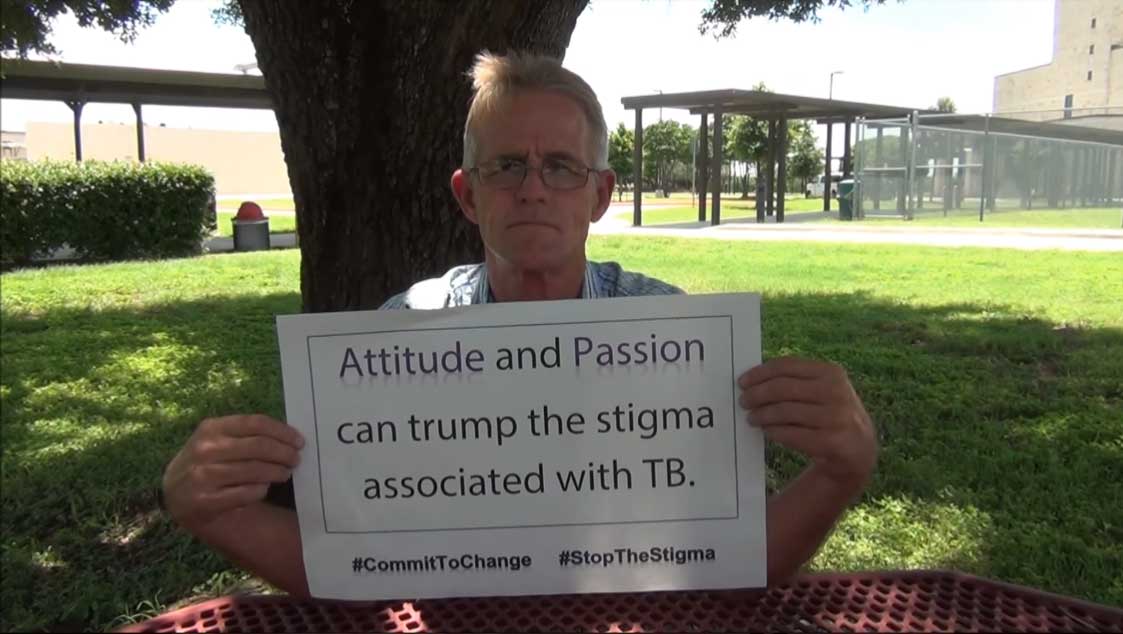
Patient holding up a sign with the text "Attitude and Passion can trump the stigma associated with TB."

We are committed to make a change

Members of the public health community worldwide have been working for almost five years to promote the avoidance of harmful and stigmatizing language used in TB care. Language such as “defaulter”, “suspect”, and “control” is not only hurtful but also judgmental, criminalizing, and places blame on patients. 


Heartland has committed to join forces with patient advocates from the Global TB Community, the International Union Against TB and Lung Disease, and the National Society of TB Clinicians’ to eliminate stigmatizing language. We are proud to introduce “Stop the Stigma”, a campaign to spread awareness and promote elimination of the use of stigmatizing language by the public health workforce. We would like to invite you to join us and pledge yourself, your organization, and challenge others to pledge as well.


Resources

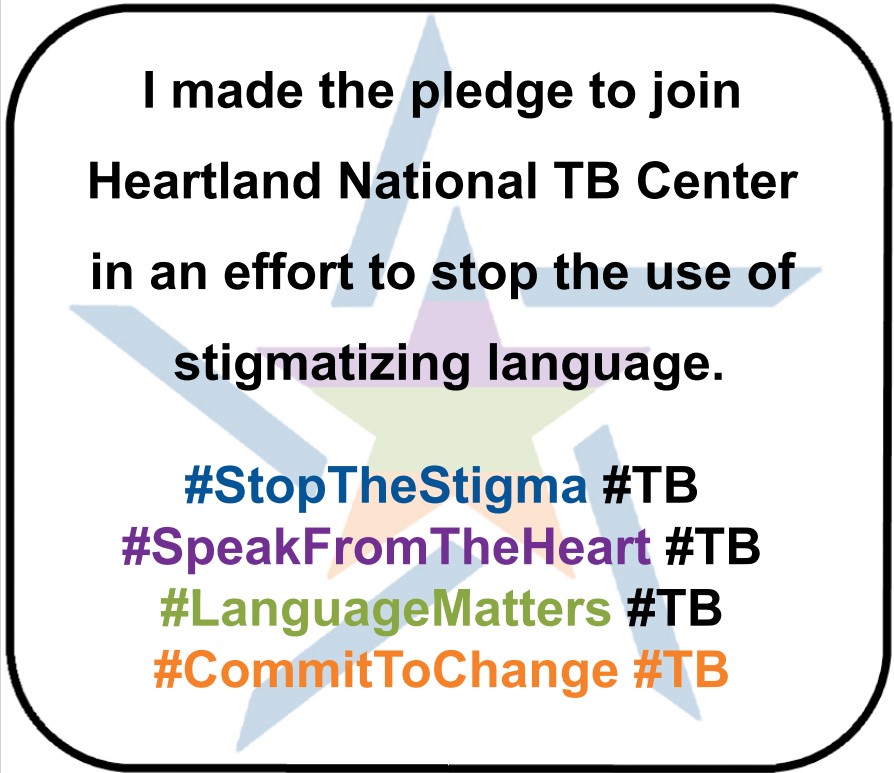
Pledge sign stating "I made the pledge to join Heartland National TB Center in an effort to stop the use of stigmatizing language.

Translating Research into Practice: Study of TB-Related Stigma in Adolescents from Lima, Peru

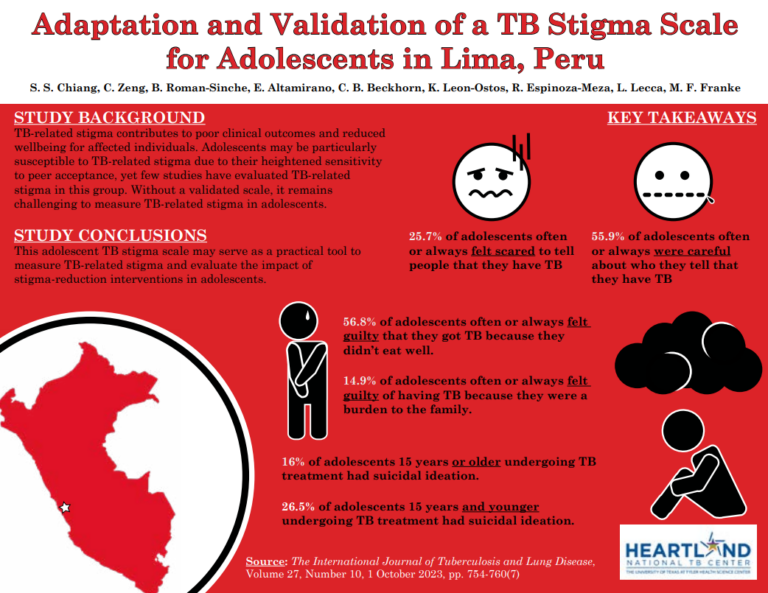
Adaptation and Validation of a TB Stigma Scale for Adolescents in Lima, Peru TB-related stigma contributes to poor clinical outcomes and reduced wellbeing for affected individuals. Adolescents may be particularly susceptible to TB-related stigma due to their heightened sensitivity to peer acceptance, yet few studies have evaluated TB-related stigma in this group. Without a validated scale, it remains challenging to measure TB-related stigma in adolescents. STUDY CONCLUSIONS This adolescent TB stigma scale may serve as a practical tool to measure TB-related stigma and evaluate the impact of stigma-reduction interventions in adolescents. 25.7% of adolescents often or always felt scared to tell people that they have TB 56.8% of adolescents often or always felt guilty that they got TB because they didn't eat well. 14.9% of adolescents often or always felt guilty of having TB because they were a burden to the family. KEY TAKEAWAYS 55.9% of adolescents often or always were careful about who they tell that they have TB 16% of adolescents 15 years or older undergoing TB treatment had suicidal ideation. 26.5% of adolescents 15 years and younger undergoing TB treatment had suicidal ideation. Source: The International Journal of Tuberculosis and Lung Disease, Volume 27, Number 10, 1 October 2023, pp. 754-760(7) HEARTLAND NATIONAL TB CENTER THE UNIVERSITY OF TEXAS AT FLER HEALTH SCIENCE CENTER
Full study text can be found at https://pubmed.ncbi.nlm.nih.gov/37749835/